
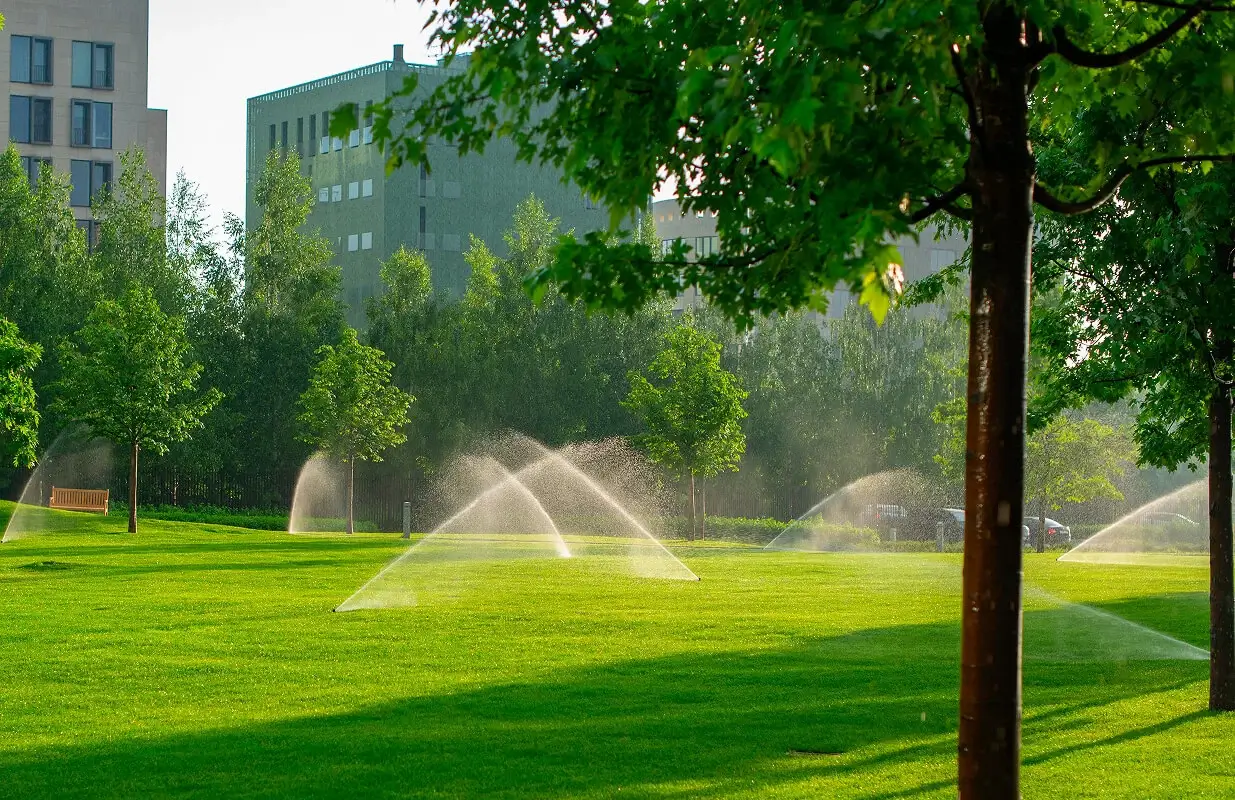
Efficient Watering Systems That Save Time and Resources
Ever noticed some lawns stay green—even in the middle of a heatwave? It’s not magic. It’s smart irrigation. These systems use technology to water your yard only when needed, saving water, time, and money. But smart irrigation is just one part of a complete landscape and irrigation strategy. In this post, we’ll break down how you can use efficient systems to care for your lawn and garden, and why doing so might be the smartest outdoor decision you make this year.
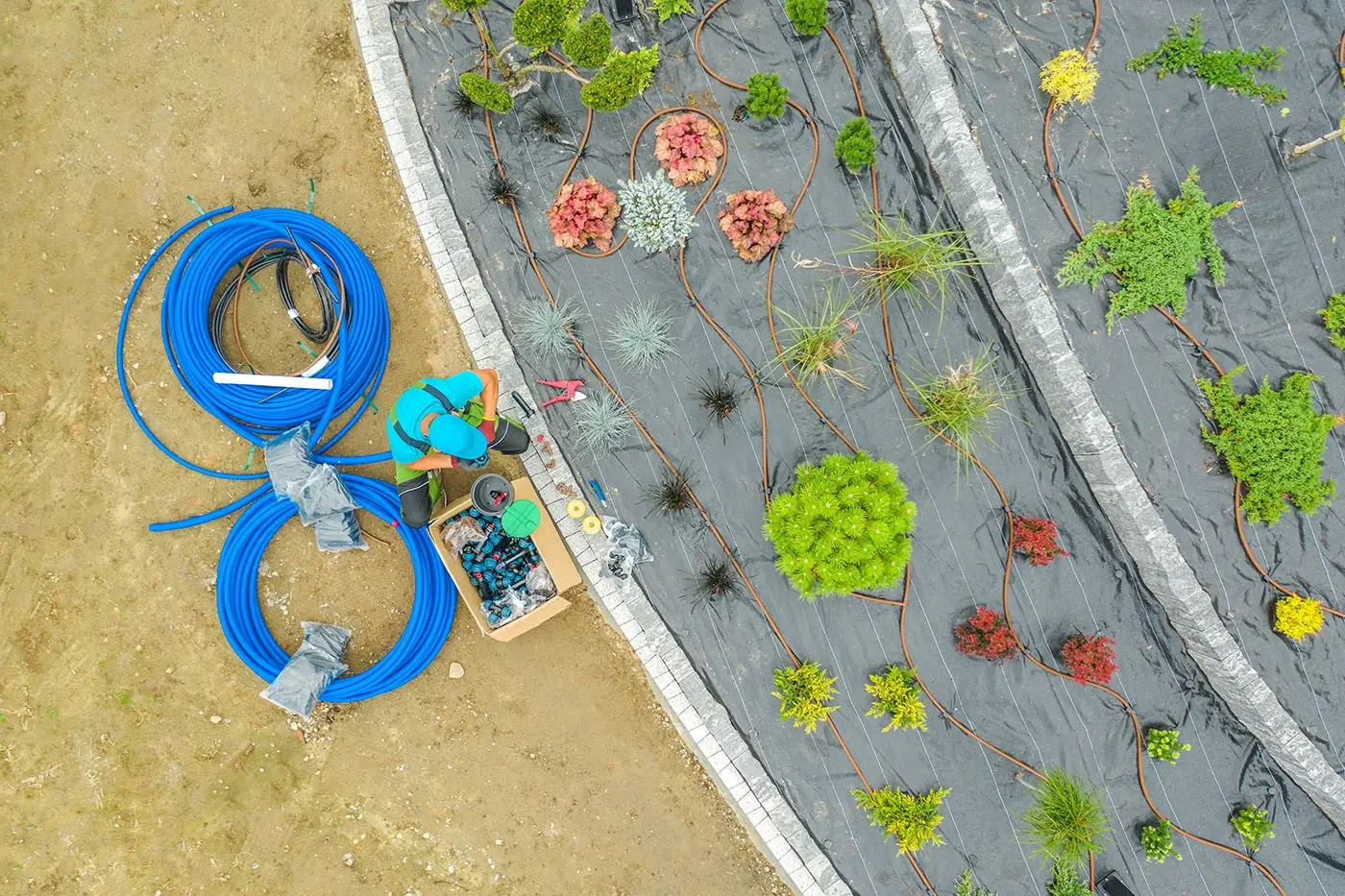
Why Smart Irrigation Is a Game-Changer
Traditional sprinklers run on timers. Whether it rains or shines, they go off. That leads to overwatering, waste, and higher bills. Smart irrigation systems solve this by adjusting watering schedules automatically based on:
- Weather forecasts
- Soil moisture levels
- Sunlight exposure
What You Gain:
- Healthier plants
- Lower water bills
- Less runoff and erosion
What Makes an Irrigation System “Smart”?
Modern systems include sensors, apps, and controllers that respond to real-time conditions. You can manage your system from your phone, and it adjusts itself when it rains.
Key Features:
- Soil moisture sensors: Detect when roots actually need water.
- Weather-based controllers: Skip watering on rainy or cloudy days.
- Zoning controls: Water different areas differently based on plant type or exposure.
Matching Irrigation to Landscape Design
Smart irrigation works best when it matches your landscape layout. A good system takes into account:
- Plant types (grass, shrubs, flowers)
- Sun and shade zones
- Slope and elevation
This integration is key to maximizing efficiency.
Quick Tip:
If you’ve recently added hardscape features like patios or retaining walls, your watering needs may have changed. Reassess your system.
Don’t Overlook Drainage
Smart watering doesn’t work if your yard has poor drainage. Pooling water can damage plants and hardscape, and waste your efforts.
Solution:
Install French drains or contour the lawn to guide excess water away. Combine drainage planning with your irrigation strategy for best results.
Bonus: Improve Lighting and Fence Function
Smart irrigation helps with plant health—but lighting and fencing improve how your yard works and looks.
- Lighting can highlight plants at night and improve safety.
- Fence installation offers privacy and protection, keeping pets in and critters out.
Maintenance Still Matters
Even the best systems need upkeep. Regular lawn maintenance like mowing, trimming, and fertilizing keeps everything growing strong.
Pro Tip:
Check irrigation heads monthly. Clean or replace clogged nozzles to keep everything running smoothly.
Getting Started with Smart Irrigation
If you’re starting from scratch, it’s easier than you think. Many systems are affordable and easy to install. Others may need a pro—but the long-term savings and plant health are worth it.
Start by:
- Mapping your yard and zones
- Choosing weather-based or sensor-based systems
- Adding smart controllers for automation
You’ll save water, protect your landscape, and make lawn care simpler.
Final Thoughts
Smart irrigation isn’t just a trend—it’s the future of outdoor care. When you combine the right tools with thoughtful planning, your landscape and irrigation system works for you, not the other way around. It’s efficient, eco-friendly, and effective.
Try just one upgrade this season. You’ll see the difference—and so will your lawn.